The Nancy Grace Roman Space Telescope has enough gas for 22 years double NASA’s expectations

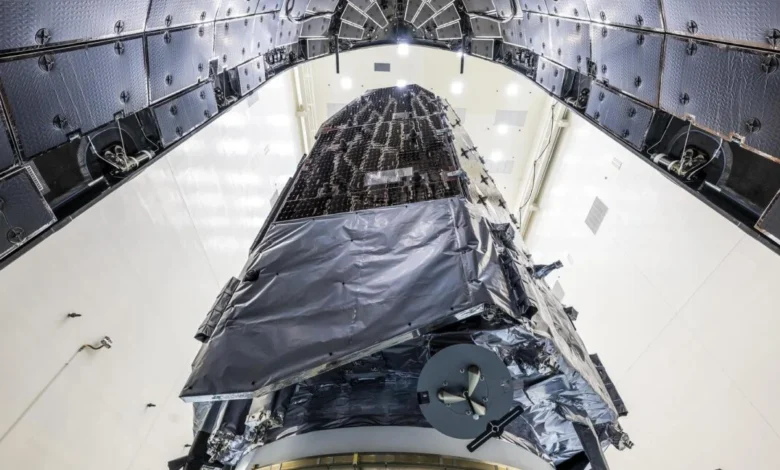
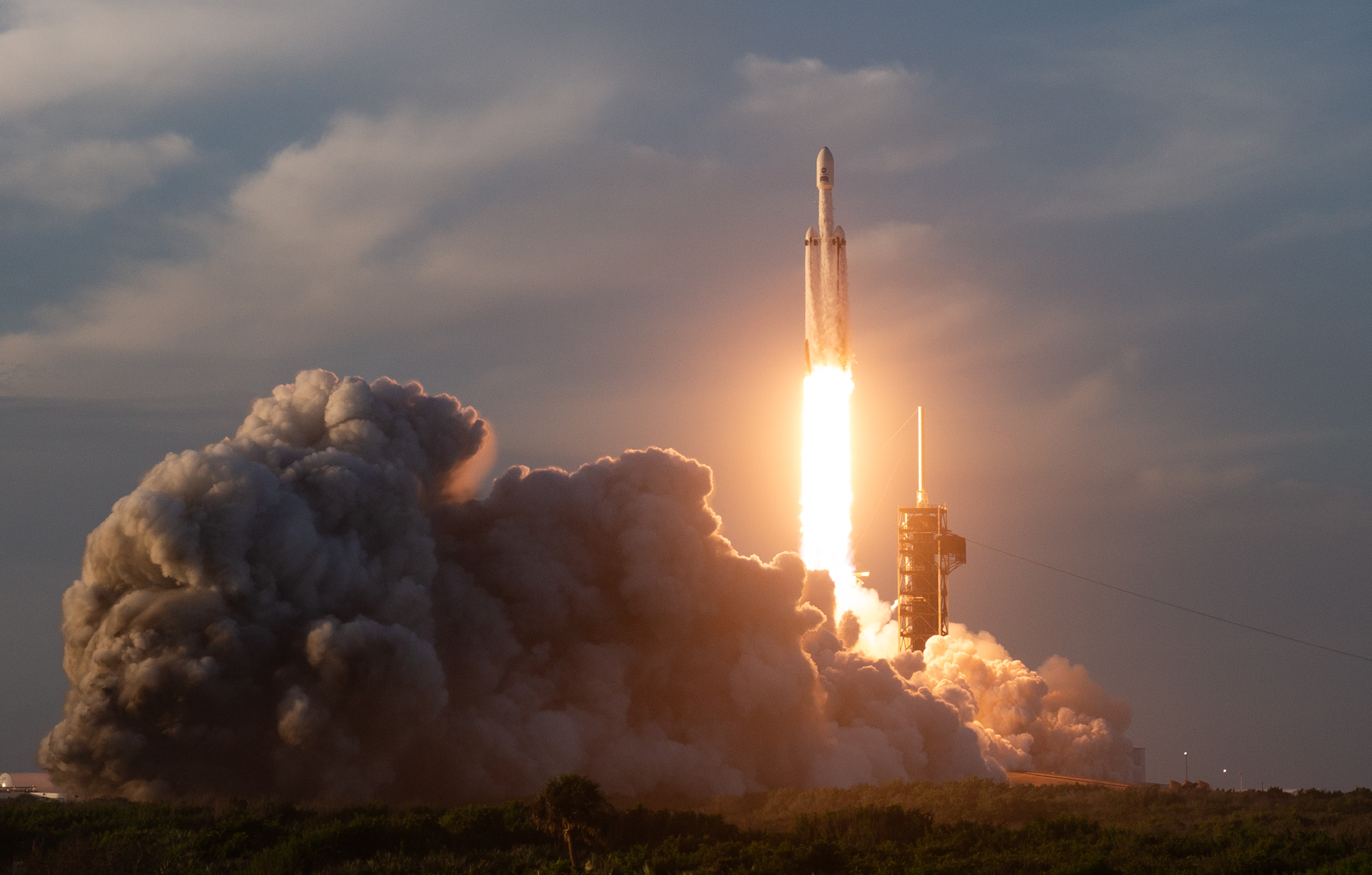
The Nancy Grace Roman Space Telescope, NASA’s newest flagship observatory, has embarked on its mission with a level of orbital precision that has fundamentally altered the agency’s long-term operational outlook. Launched on August 30, 2026, from the Kennedy Space Center in Florida, the $4.3 billion spacecraft is currently en route to the Sun-Earth L2 Lagrange point. Due to a highly efficient launch sequence provided by a SpaceX Falcon Heavy rocket and an expertly executed initial trajectory correction, NASA officials have confirmed that the telescope possesses sufficient propellant to sustain its science operations for at least 22 years—more than double the original baseline mission requirement.
A Masterclass in Orbital Dynamics
The mission’s longevity is a direct result of the extreme accuracy of the launch and early flight maneuvers. When the Roman Space Telescope was in the design and development phase, engineers established a conservative fuel budget to ensure the observatory could fulfill its primary five-year mission and a potential five-year extension, totaling a 10-year lifespan. However, the actual propellant consumption during the critical first day of the mission was significantly lower than pre-flight models predicted.
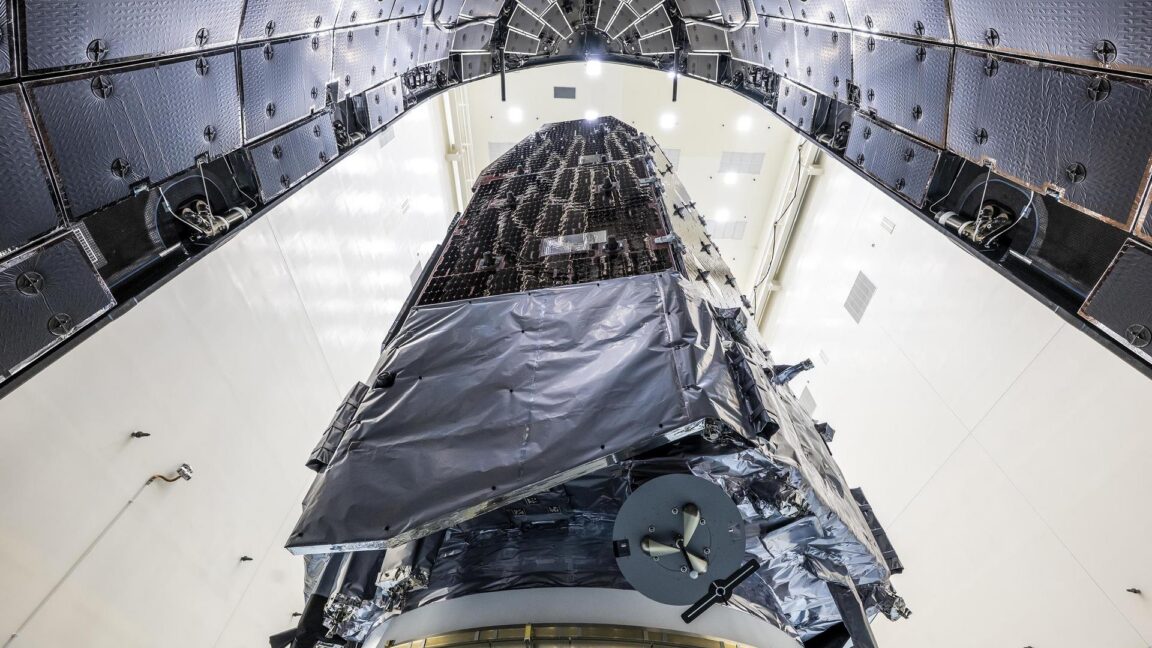
According to data released by NASA, the first major trajectory correction burn, performed one day after launch, consumed only 40 pounds (18 kilograms) of hydrazine fuel. Pre-flight allocations had budgeted for 441 pounds (200 kilograms) for the same maneuver. This discrepancy represents a massive efficiency gain, essentially gifting the mission over a decade of additional operational time. Jamie Dunn, center director at NASA’s Goddard Space Flight Center, noted that this success was the culmination of "exquisite planning by our orbital dynamics team" and "brilliant execution by the operations team."
Launch and Deployment Timeline
The road to this success began with the August 30 launch, which placed the observatory on a trajectory towards the Sun-Earth L2 point, a gravitational "sweet spot" located one million miles from Earth. This location is ideal for deep-space astronomy as it allows the telescope to remain in a stable, cold environment with a clear, unobstructed view of the cosmos.
The transit to this location is a three-month journey. The observatory is currently moving through its transit phase, with a secondary, smaller course correction scheduled for later this month. A final insertion maneuver is planned for early December, at which point the telescope will settle into a "quasi-halo" orbit. NASA project managers have indicated that current projections suggest these remaining maneuvers will also consume less fuel than originally anticipated, potentially extending the mission life even further beyond the 22-year projection.
Engineering Advantages: A Lighter, Leaner Observatory
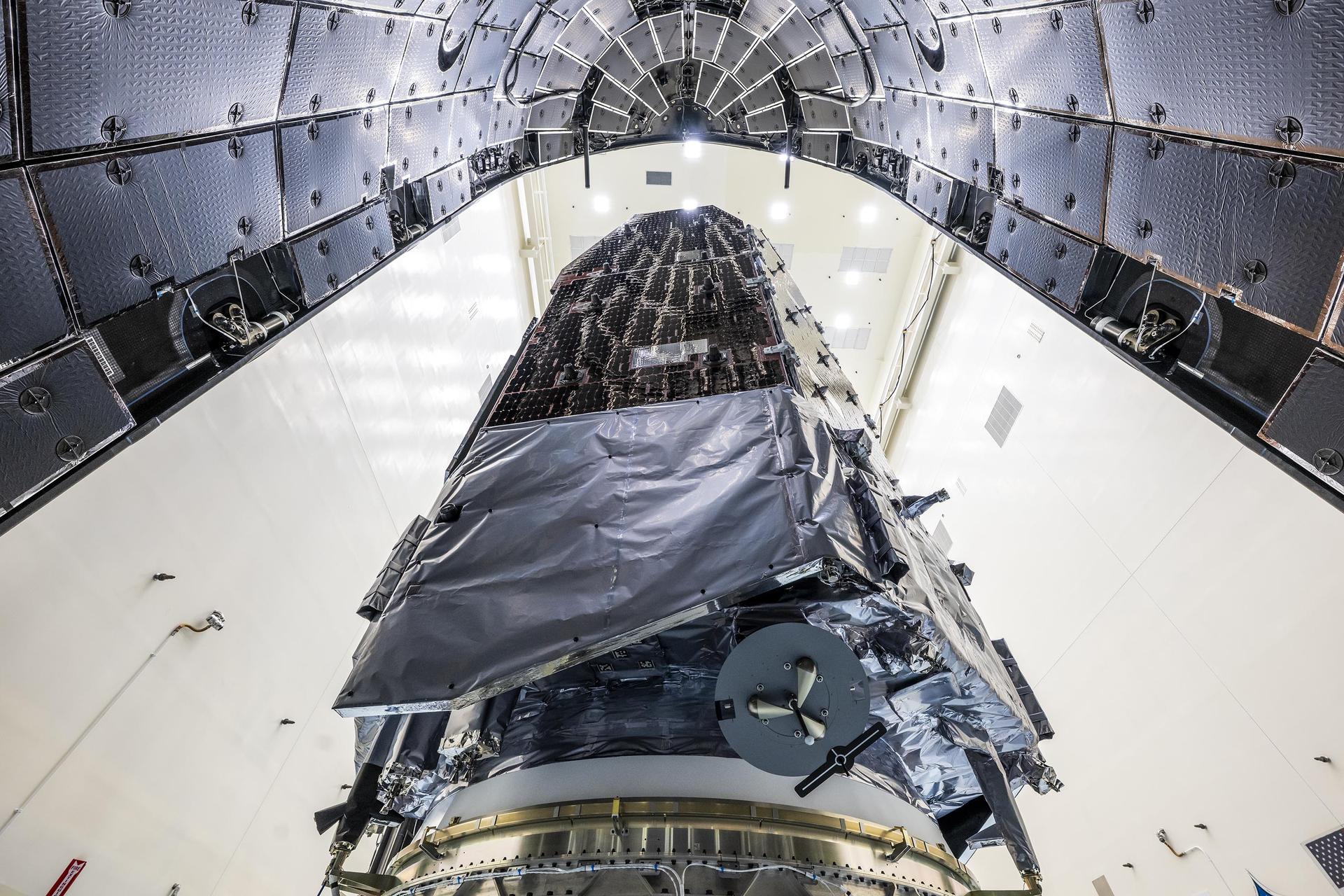
One of the more unusual aspects of the Roman Space Telescope’s success is its weight profile. In the aerospace industry, missions frequently struggle with "mass creep," where adding instruments and shielding pushes a spacecraft closer to its maximum launch weight. Roman, however, launched at a total weight of 17,760 pounds (8,056 kilograms), approximately two tons lighter than its maximum allowable threshold.
This lower mass provided a "buffer" that allowed engineers to load 290 gallons of hydrazine—the maximum capacity of the tanks—prior to launch. Because the spacecraft was lighter, its 24 onboard thrusters did not have to expend as much energy to perform the initial course adjustments. Alison Rao, the Roman propulsion lead at NASA Goddard, explained that the team maintains a rigorous propellant tracking protocol throughout the assembly and testing process to ensure they never run short. Because the final vehicle came in under the weight limit, they were able to maximize the propellant load, transforming a 10-year mission into a two-decade-long scientific powerhouse.
Scientific Objectives: A New Window into the Dark Universe
The Nancy Grace Roman Space Telescope is designed to address some of the most profound mysteries in modern cosmology, including the nature of dark energy and the distribution of dark matter. Equipped with a Wide Field Instrument featuring 18 near-infrared detectors, the telescope acts as a 300-megapixel camera capable of mapping the universe with unprecedented speed.
The observatory’s field of view is 100 times greater than that of the Hubble Space Telescope. Consequently, where Hubble might spend a century conducting a survey of the sky, Roman can complete the same work in just a few months. Astronomers intend to use this capability to create vast, high-resolution maps of galactic clusters and the cosmic filaments of dark matter that structure the universe. By observing how these structures evolve over time, scientists hope to pinpoint the force behind the accelerated expansion of the cosmos, a phenomenon currently attributed to "dark energy."
Future-Proofing: The Question of In-Space Servicing
While the telescope is currently configured for a 22-year lifespan, the possibility of future intervention remains a key feature of its design. The Roman Space Telescope is the first NASA observatory explicitly designed for potential in-space refueling.
During the era of the Space Shuttle, NASA regularly serviced the Hubble Space Telescope, replacing instruments and boosting its orbit. However, Hubble was not designed with modern refueling in mind. For Roman, engineers installed a specific grapple fixture on the underside of the spacecraft, along with navigation aids such as a retroreflector and external reference points. These tools are designed to facilitate a rendezvous with a robotic servicing vehicle.
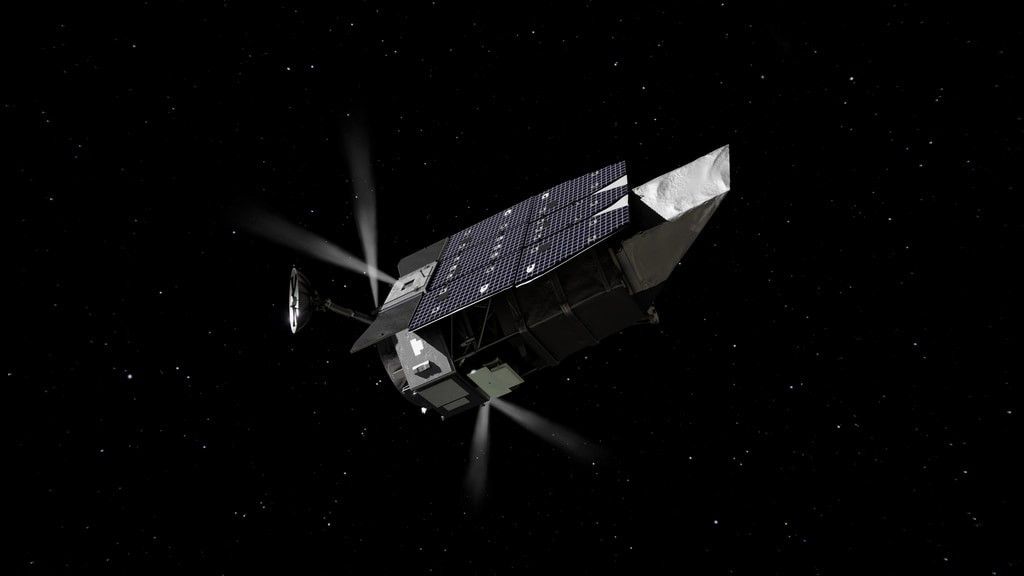
Jackie Townsend, Roman’s project manager at NASA Goddard, emphasized that the thermal blanketing surrounding the fueling port was specifically engineered to be easily manipulated by a robotic arm. "The blanketing around the fueling port has been designed especially so that it’s easier for a robot to get in there if we needed to refuel," Townsend noted.
While there are currently no operational robotic servicing spacecraft capable of reaching the L2 point—most current refueling technology is focused on low-Earth or geosynchronous orbits—the inclusion of these features ensures that if commercial or governmental space-servicing capabilities evolve, the Roman telescope is ready to accept a "gas station" mission to extend its life even further.
Operational Status and Early Results
As of mid-September 2026, the mission is operating at peak efficiency. On September 1, the telescope successfully opened its aperture cover, allowing the first photons of starlight to hit its primary mirror. Amit Kshatriya, NASA’s associate administrator, reported that all preliminary systems checks have returned "green" across the board. The 18 detectors in the Wide Field Instrument are cooling to their required operating temperatures, and the coronagraph—an instrument designed to block the light of stars to directly image exoplanets—has also shown excellent performance in early tests.

"All the preliminary checks are good," Kshatriya stated during the American Astronautical Society’s Glenn Space Technology Symposium. "In fact, we got some data on the Wide Field Instrument just a couple days ago… All the mirrors, all the CCDs are chilling down in the right way."
Implications for Future NASA Missions
The success of the Roman Space Telescope launch and its extended fuel life set a new benchmark for deep-space mission planning. The ability to launch a high-mass, high-complexity observatory at a lower weight than expected, coupled with the extreme accuracy of commercial launch providers like SpaceX, demonstrates a shift in how NASA approaches the risk-to-reward ratio of flagship missions.
The 22-year lifespan effectively means that the Roman Space Telescope will likely remain a core component of astronomical research well into the 2040s. This stability allows for long-term planning of observation programs that were previously considered too ambitious for a single mission. As the telescope continues its voyage to L2, the global scientific community prepares for "first light"—the moment when the full capabilities of the observatory are unveiled. If early performance metrics are any indication, the scientific return from the Roman Space Telescope will be among the most significant in the history of space exploration.